
Cosí Fan Tutte
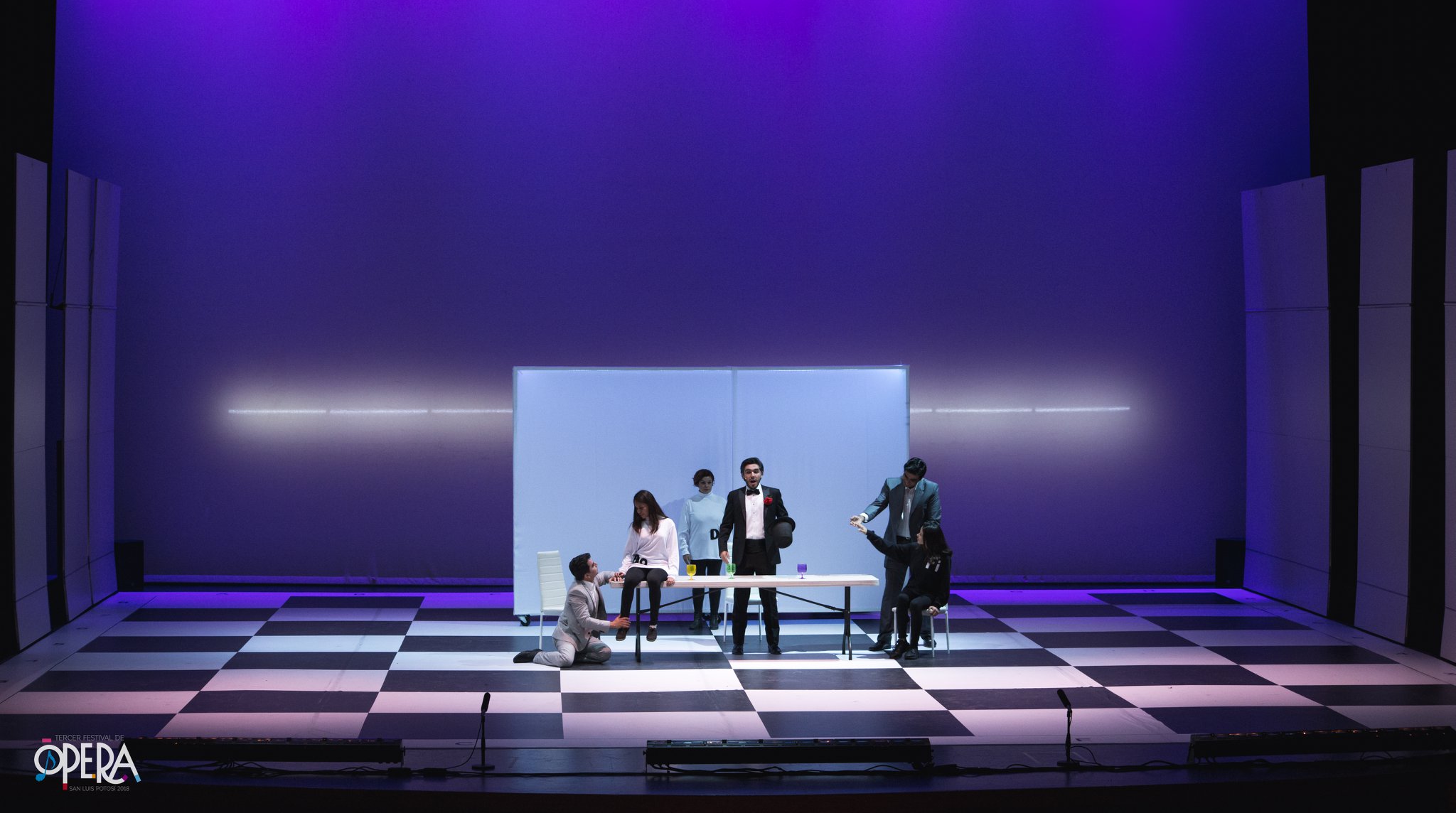
Così Fan Tutte
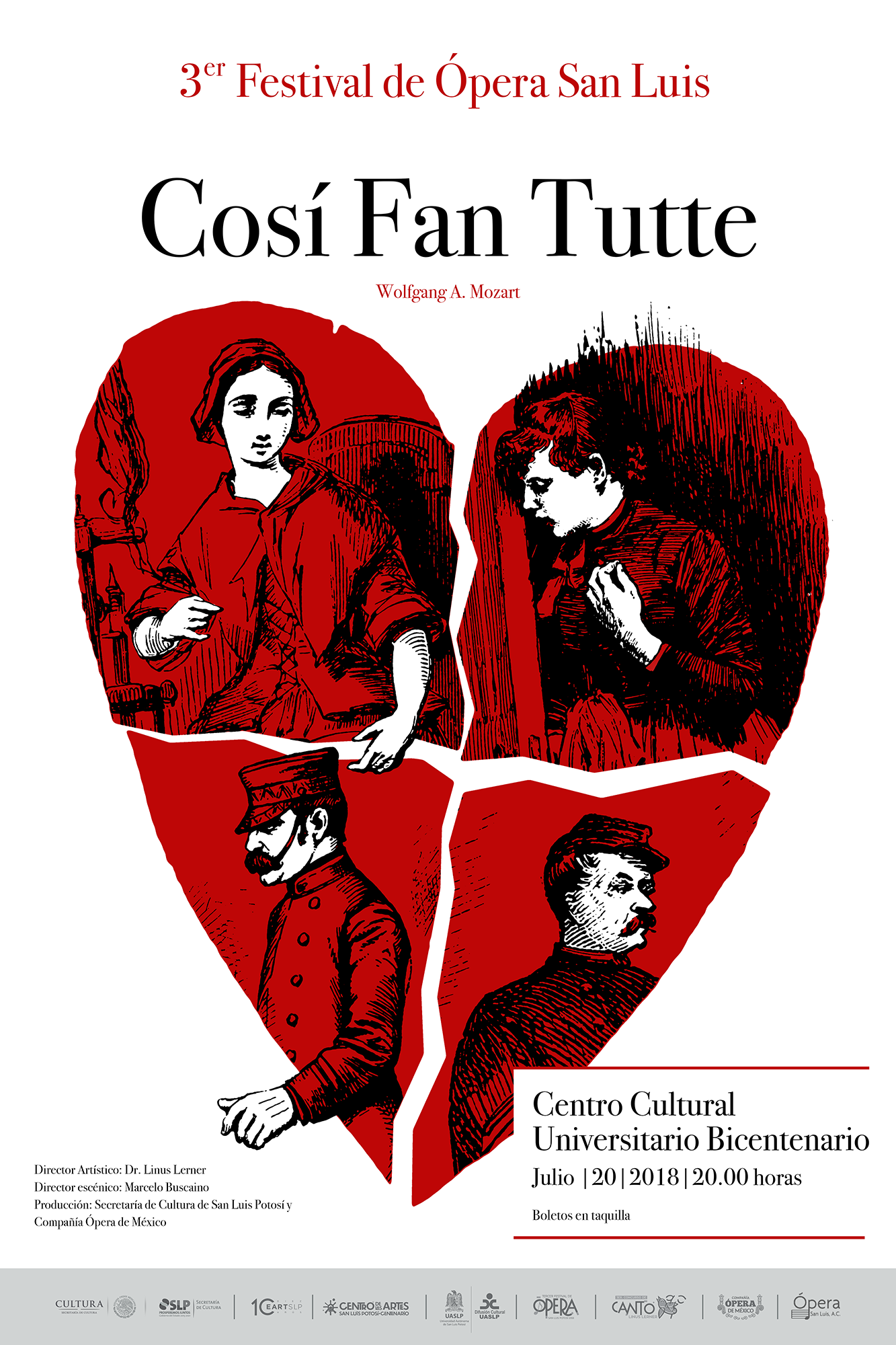
After directing several opera scenes at the International Summer Academy in Saltillo – Mexico, I was invited to stage Così fan tutte at the San Luís Potosí Opera Festival. We had a very limited budget, only ten production days, rehearsal rooms unrelated to the actual stage, and a single performance for an audience largely new to opera.
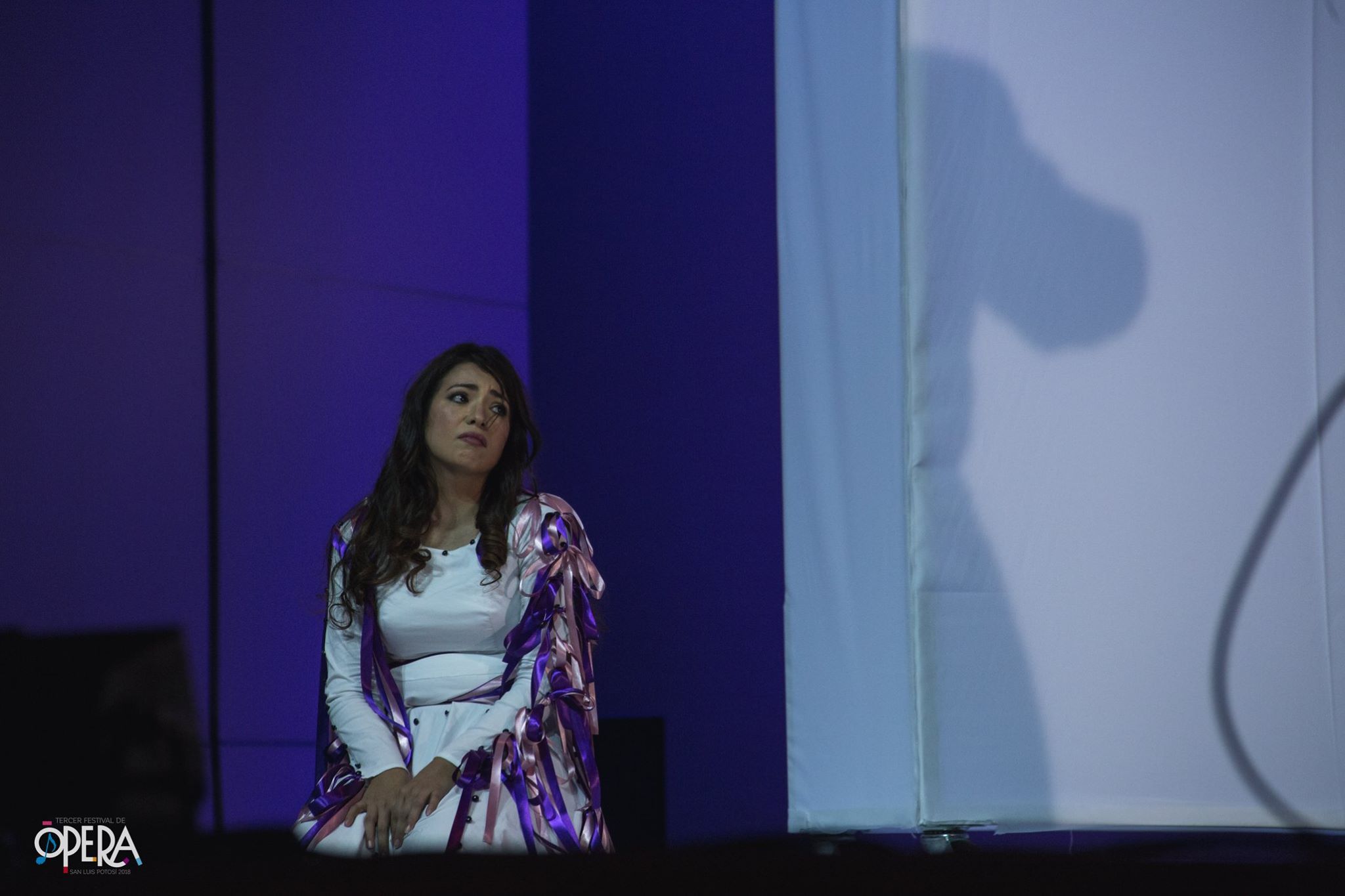
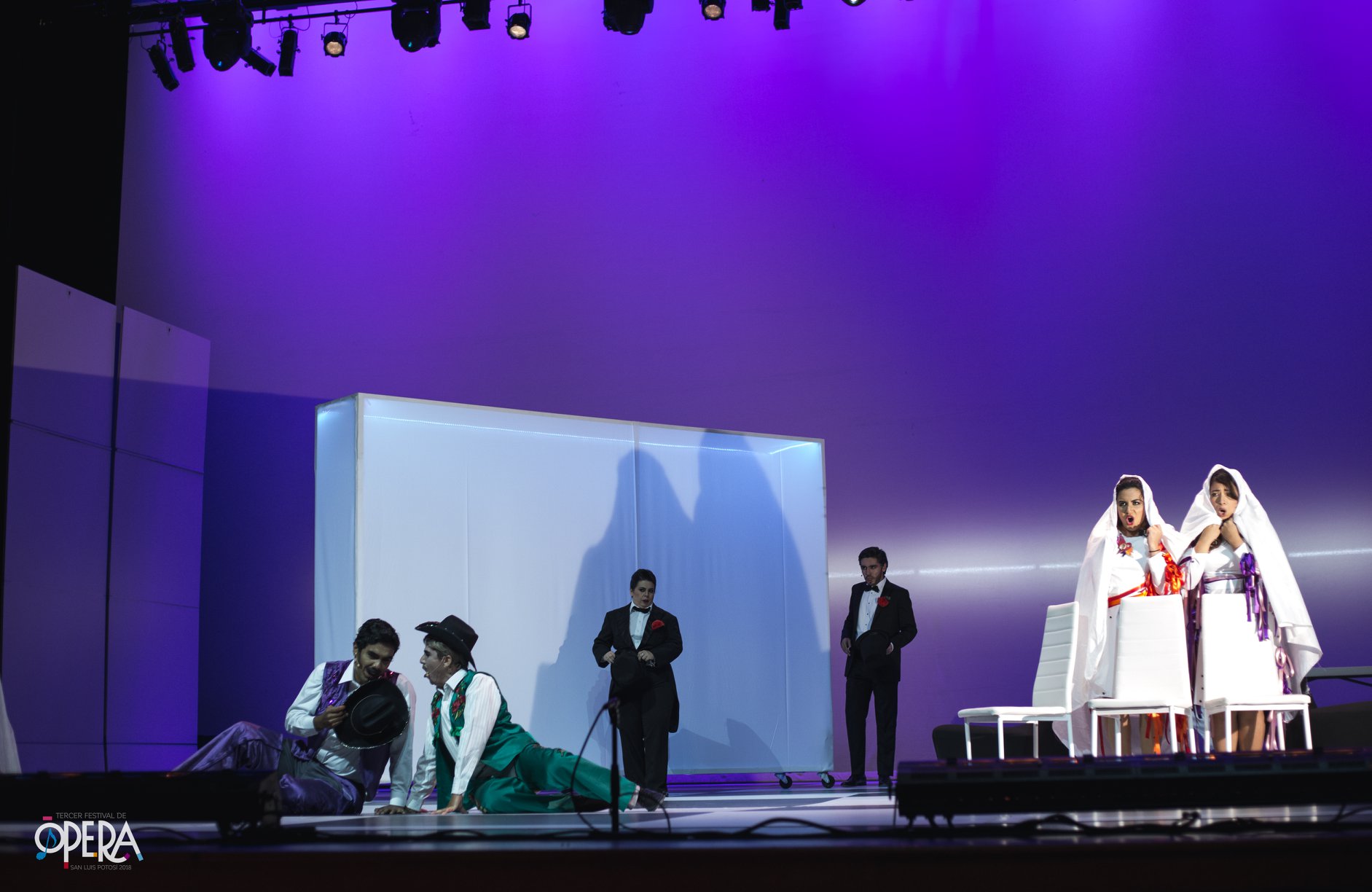
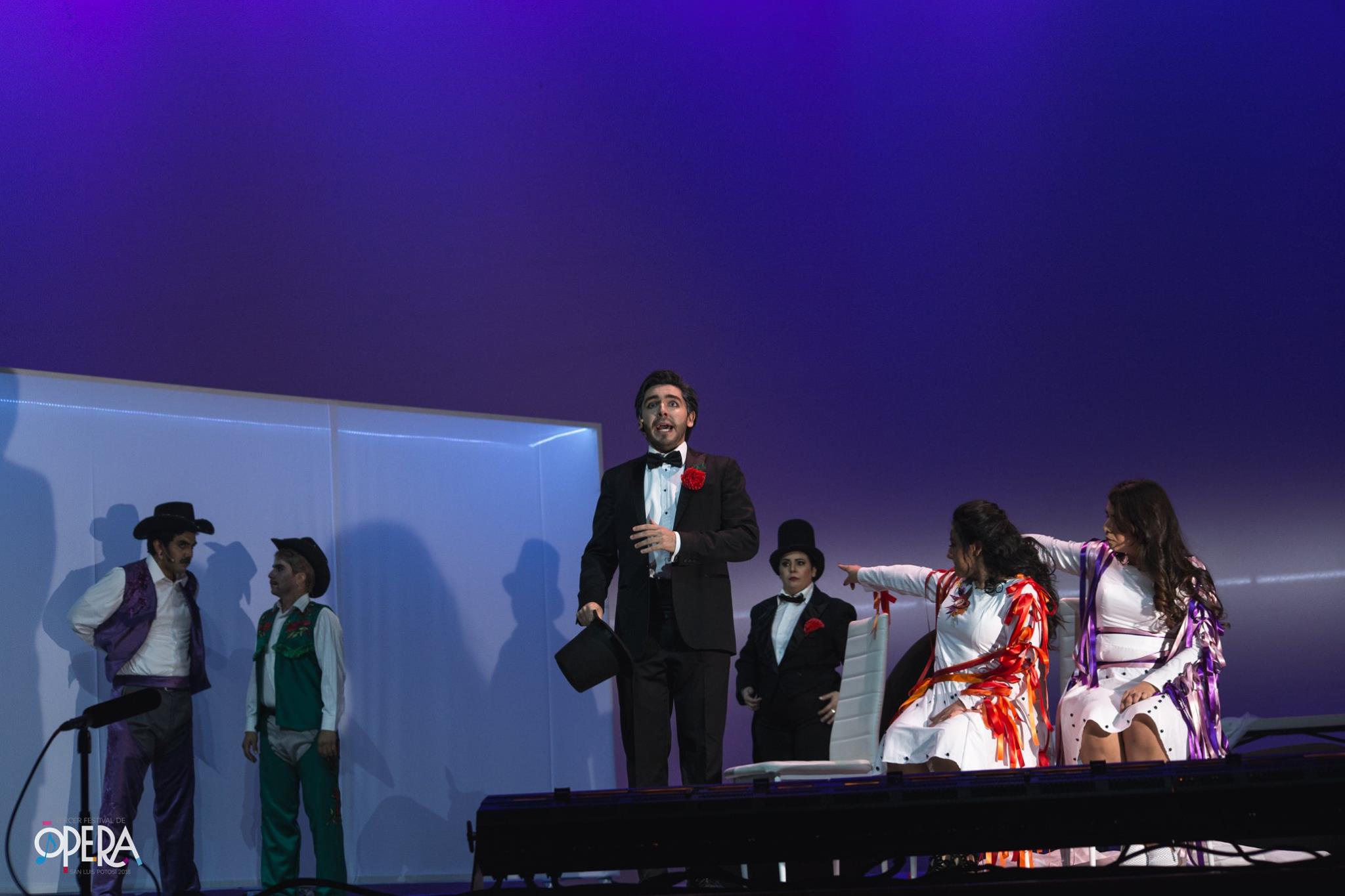
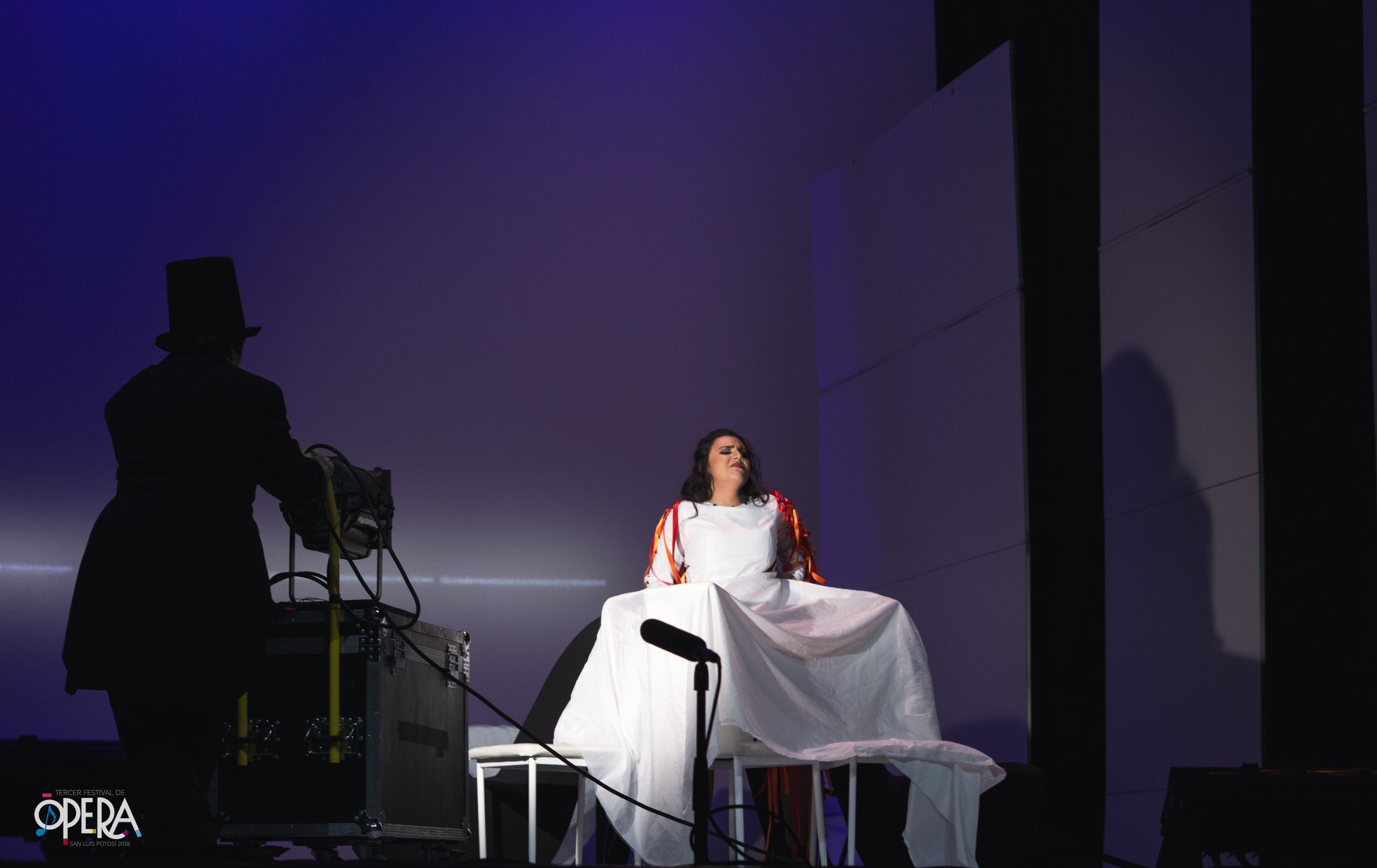
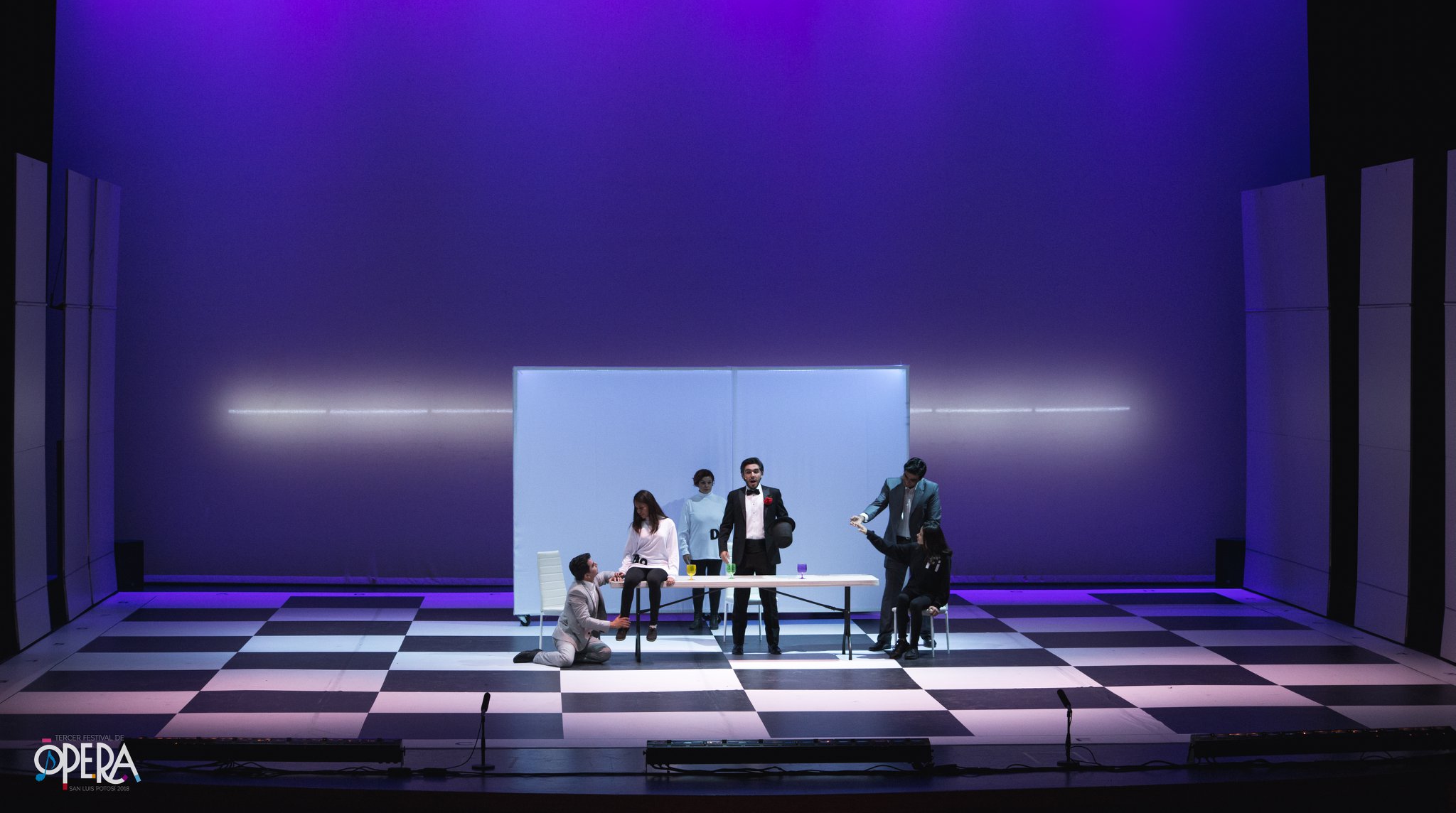
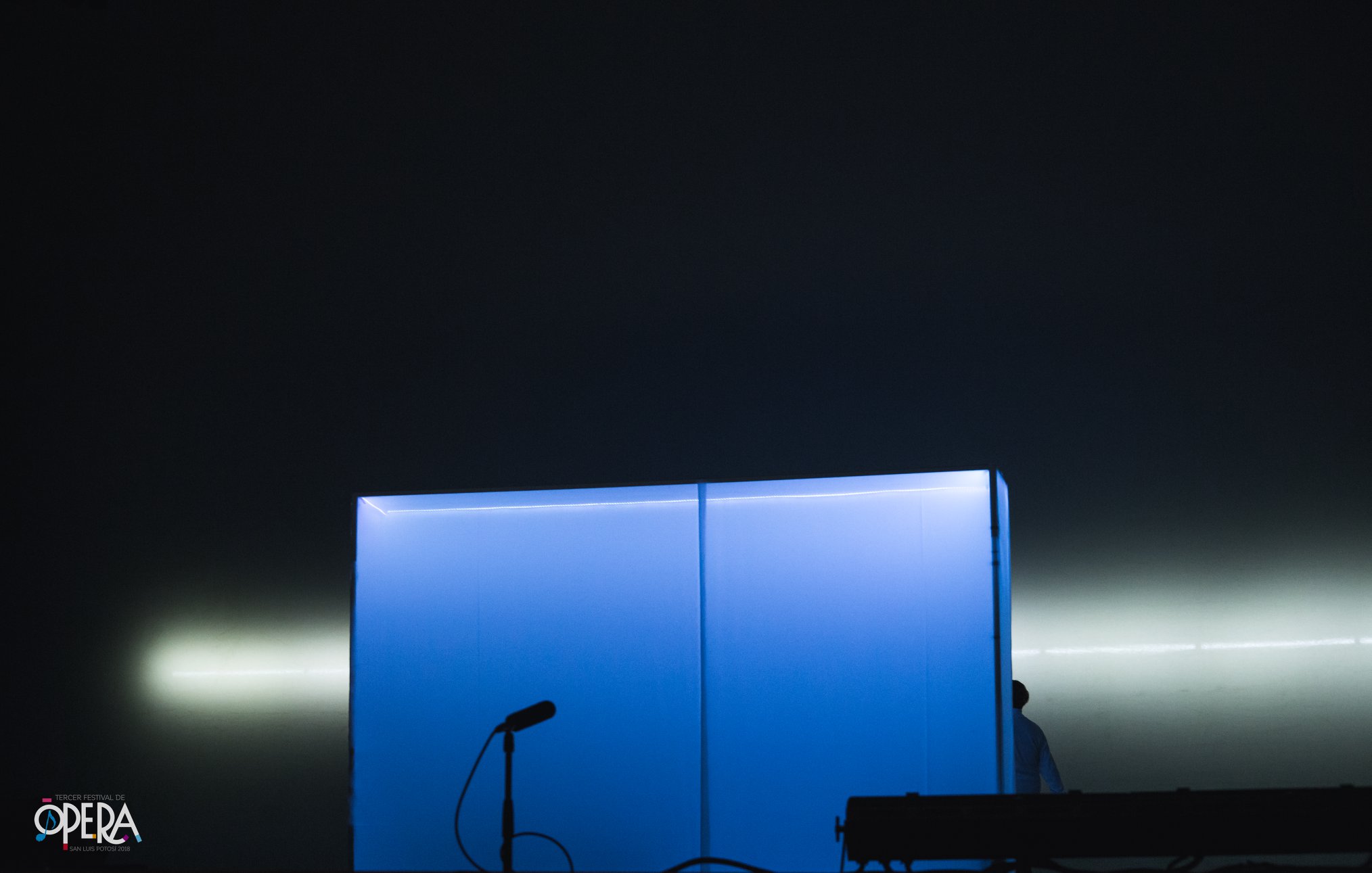
Despite these conditions, I avoided creating a mere illustrative staging. Instead, I built a clear conceptual framework that emphasized coherence, emotional readability, and spatial versatility. A chessboard floor and improvised mobile scenic elements allowed us to reshape the stage into sixteen configurations, reflecting the opera’s shifting “games” of desire, identity, and persuasion. The lighting and atmospheric design drew directly from Rothko’s slow, breathing fields of colour and Fontana’s spatial ruptures: a subtly shifting cyclorama and a moving line of light created an environment that felt both contemplative and unstable.
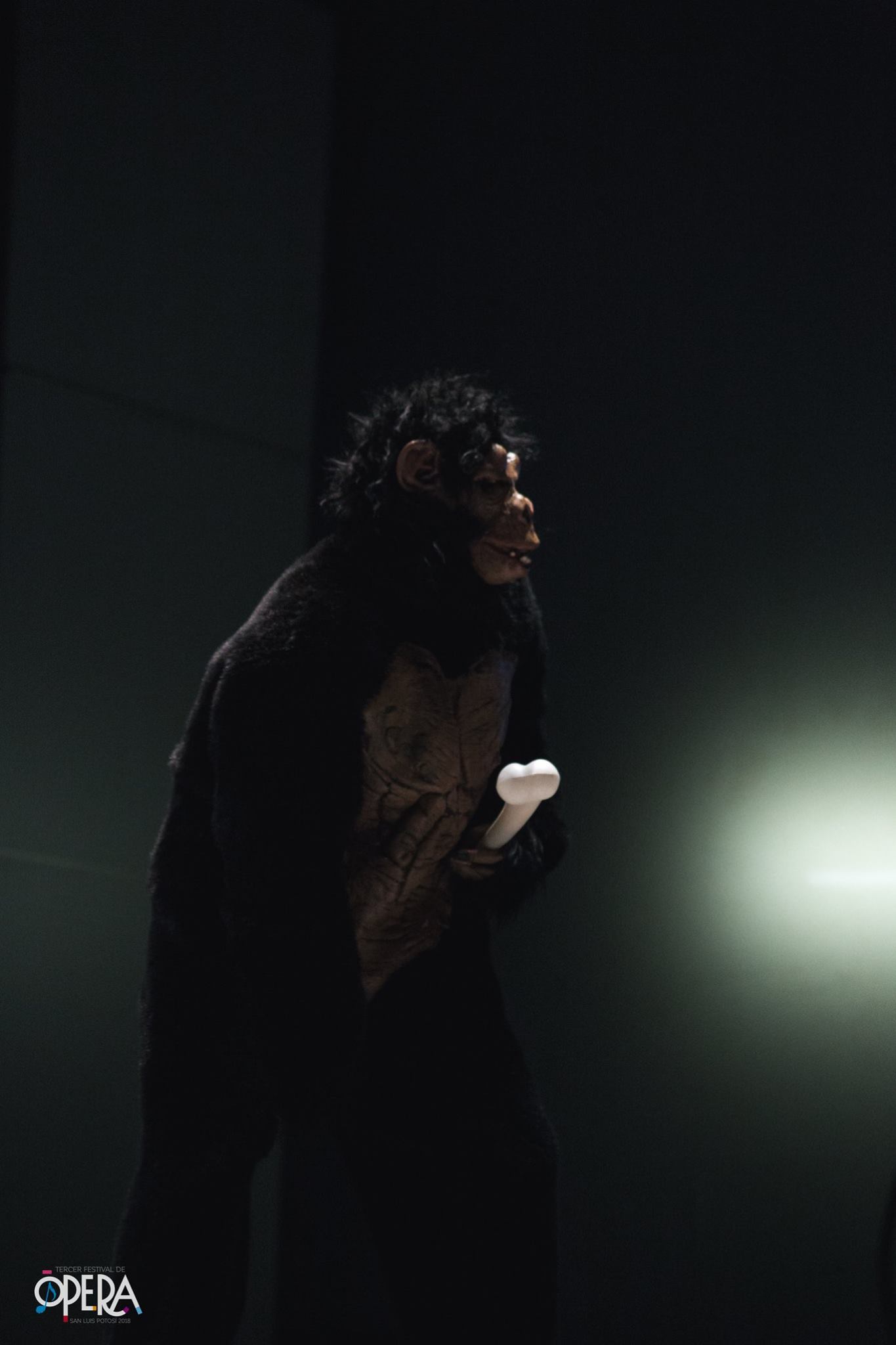
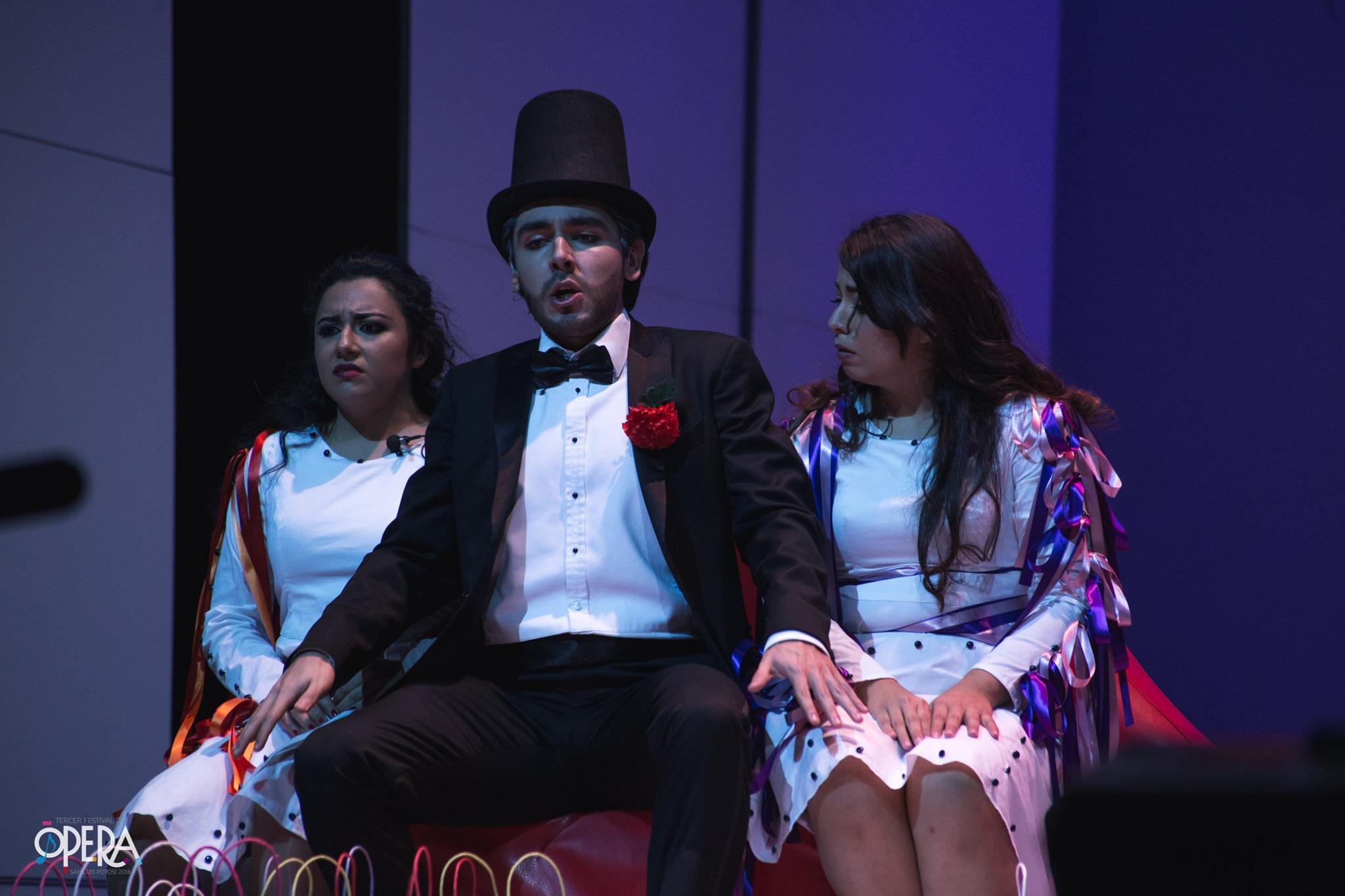
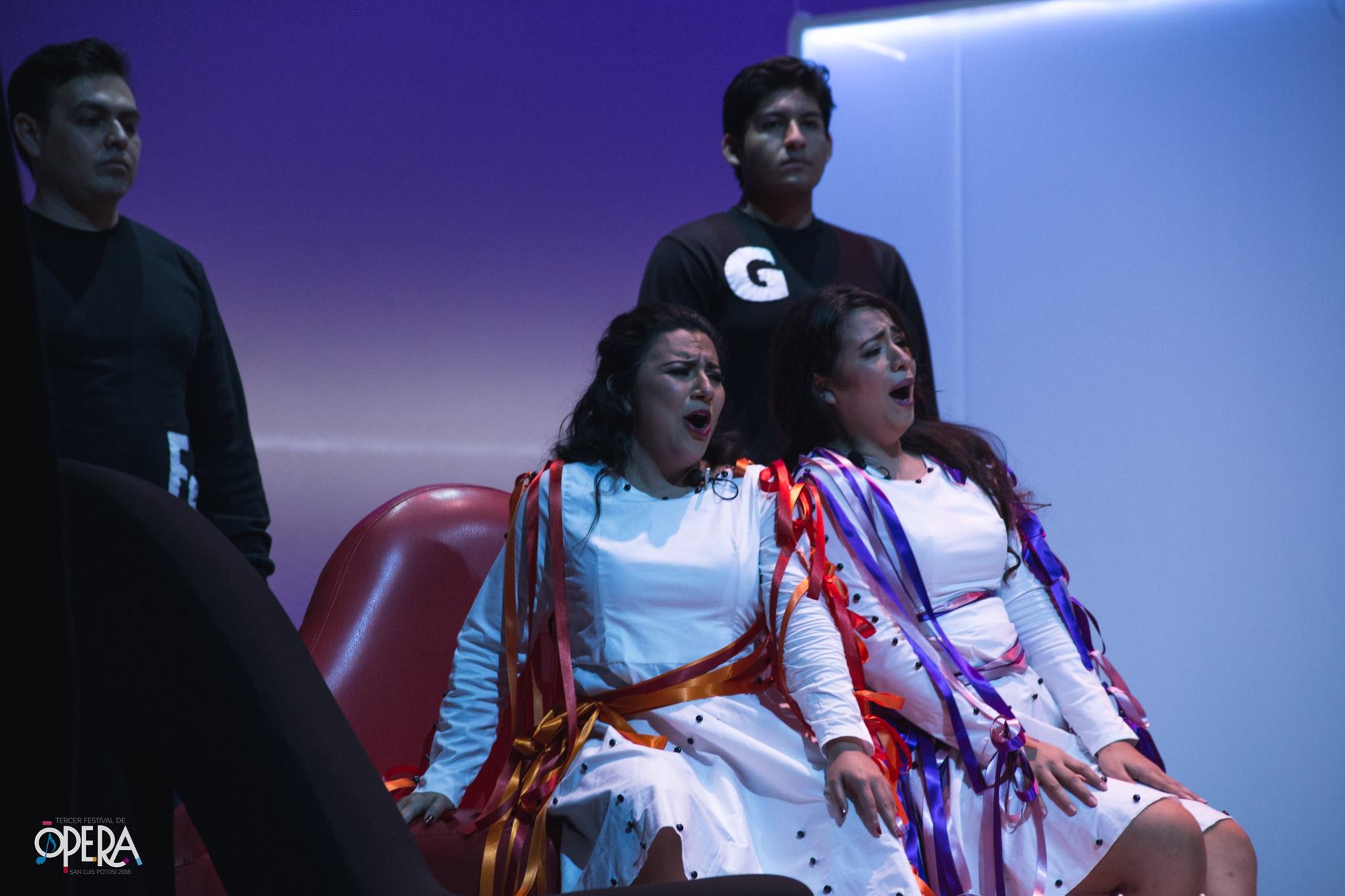
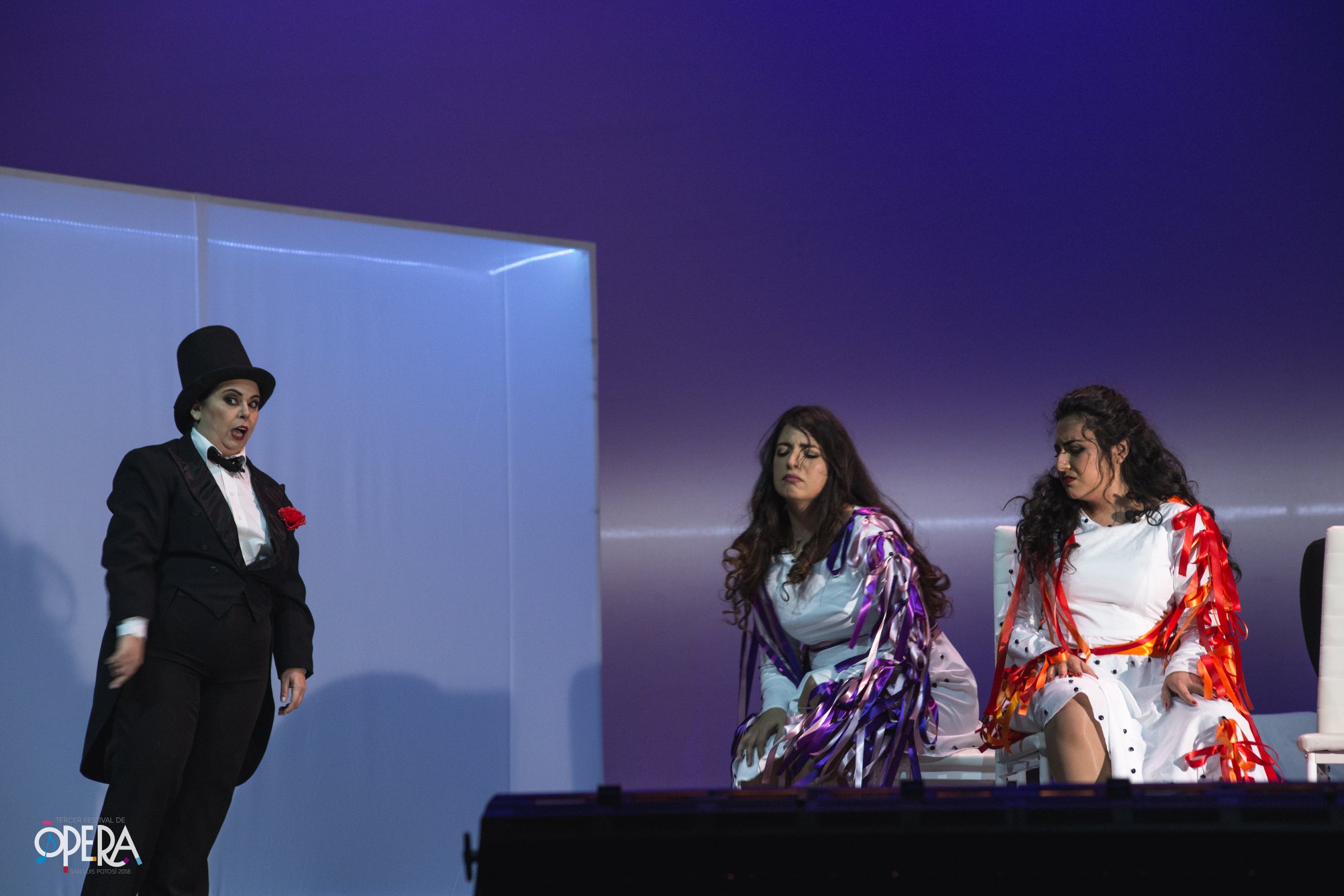
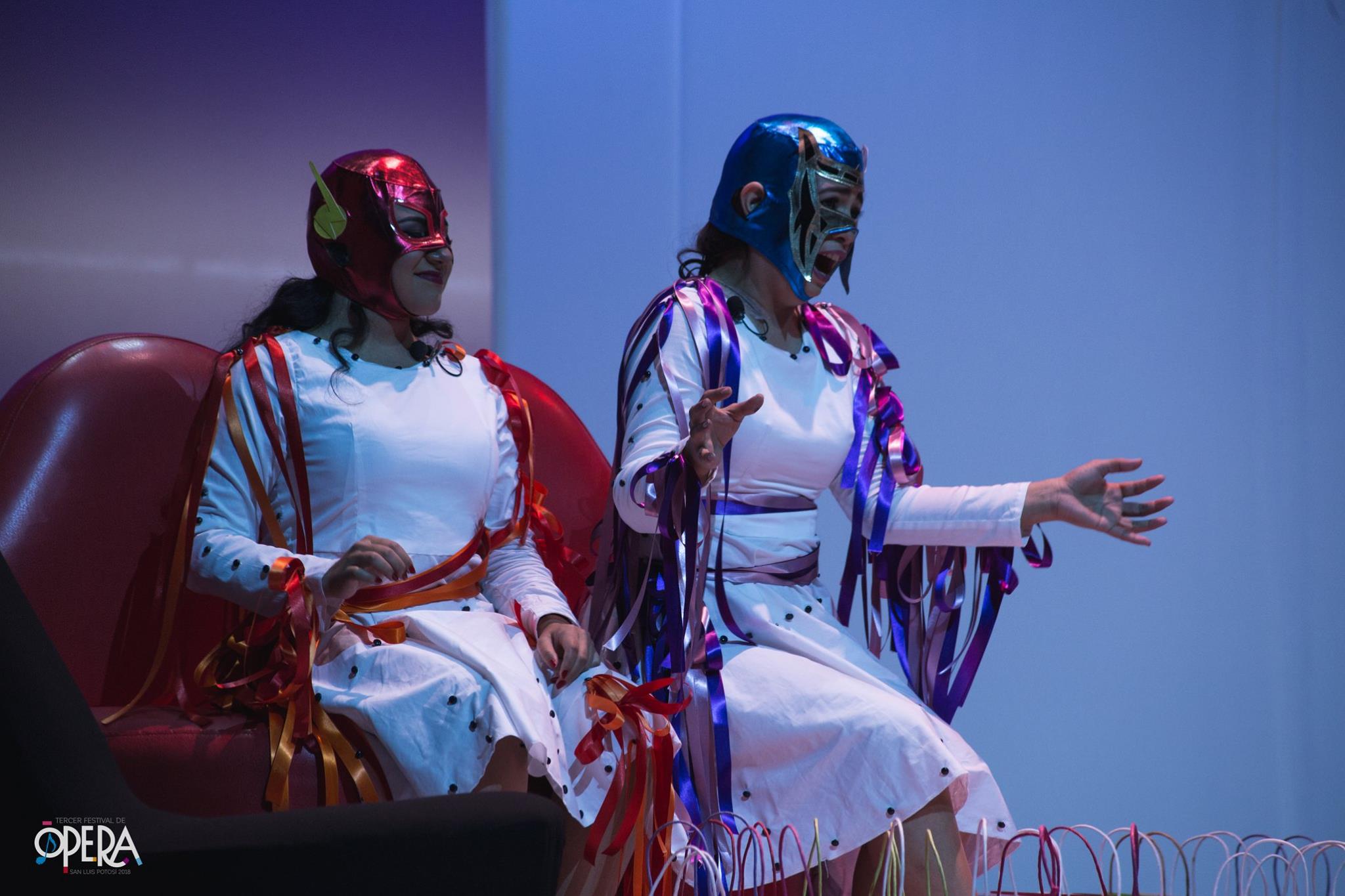
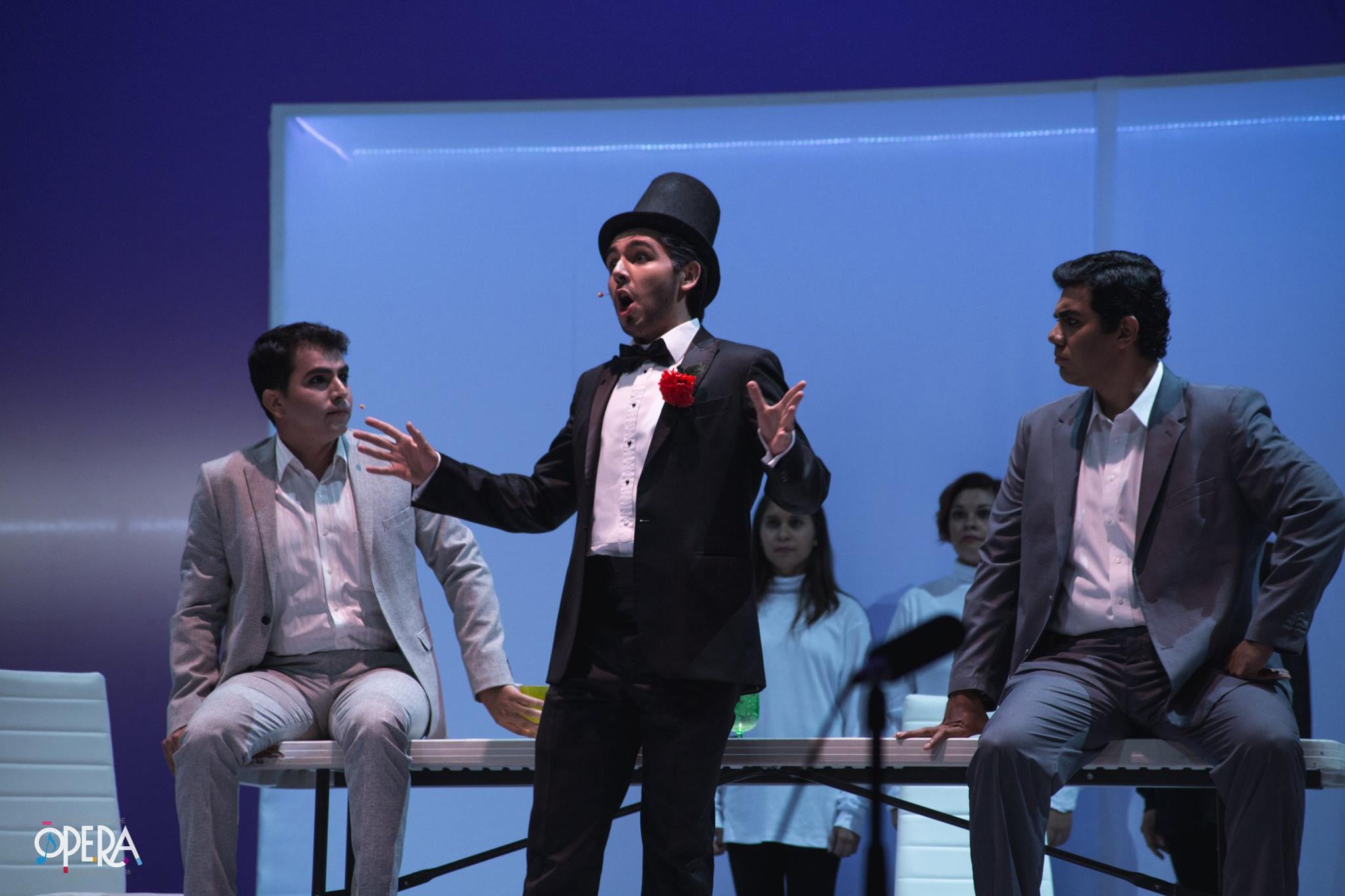
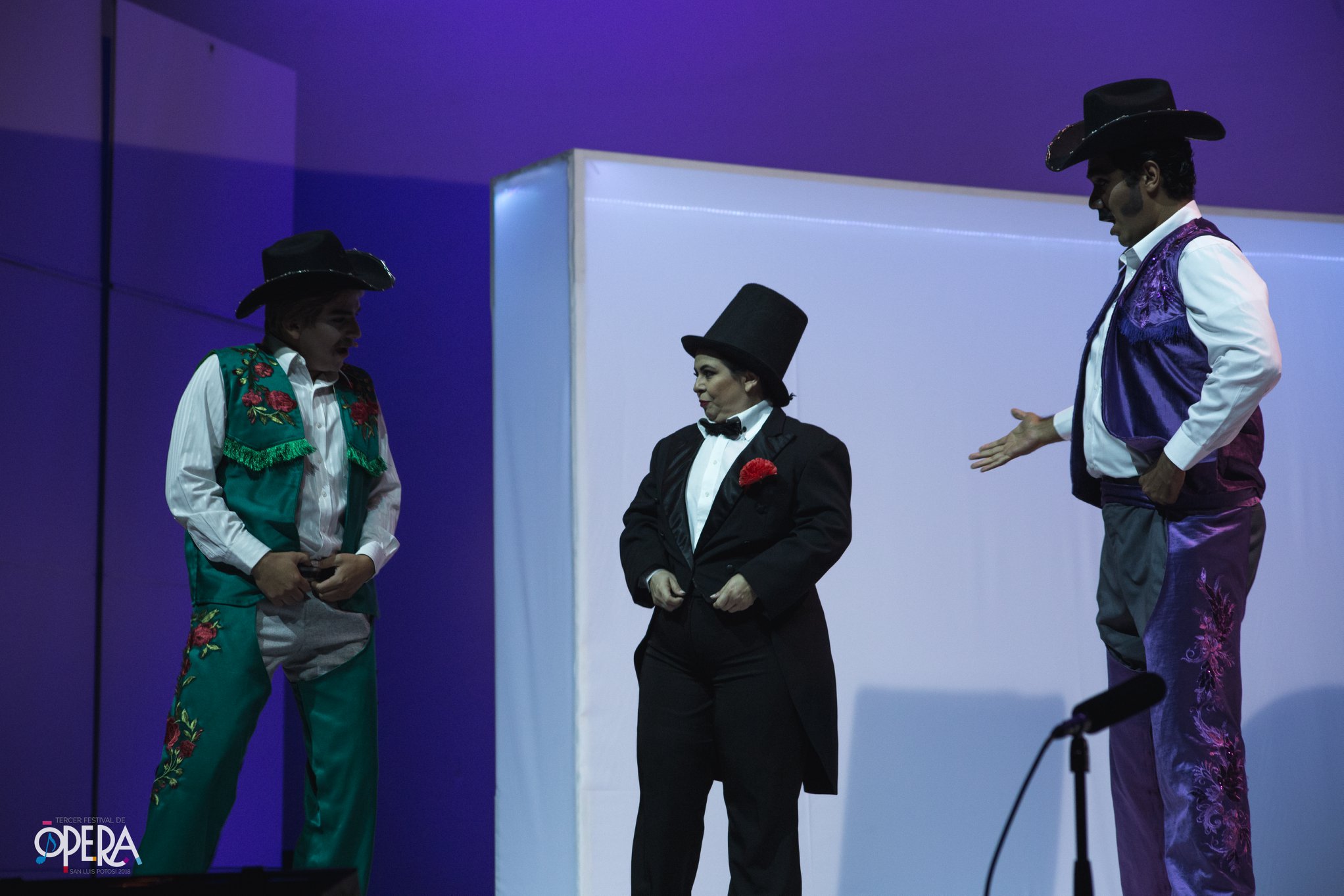
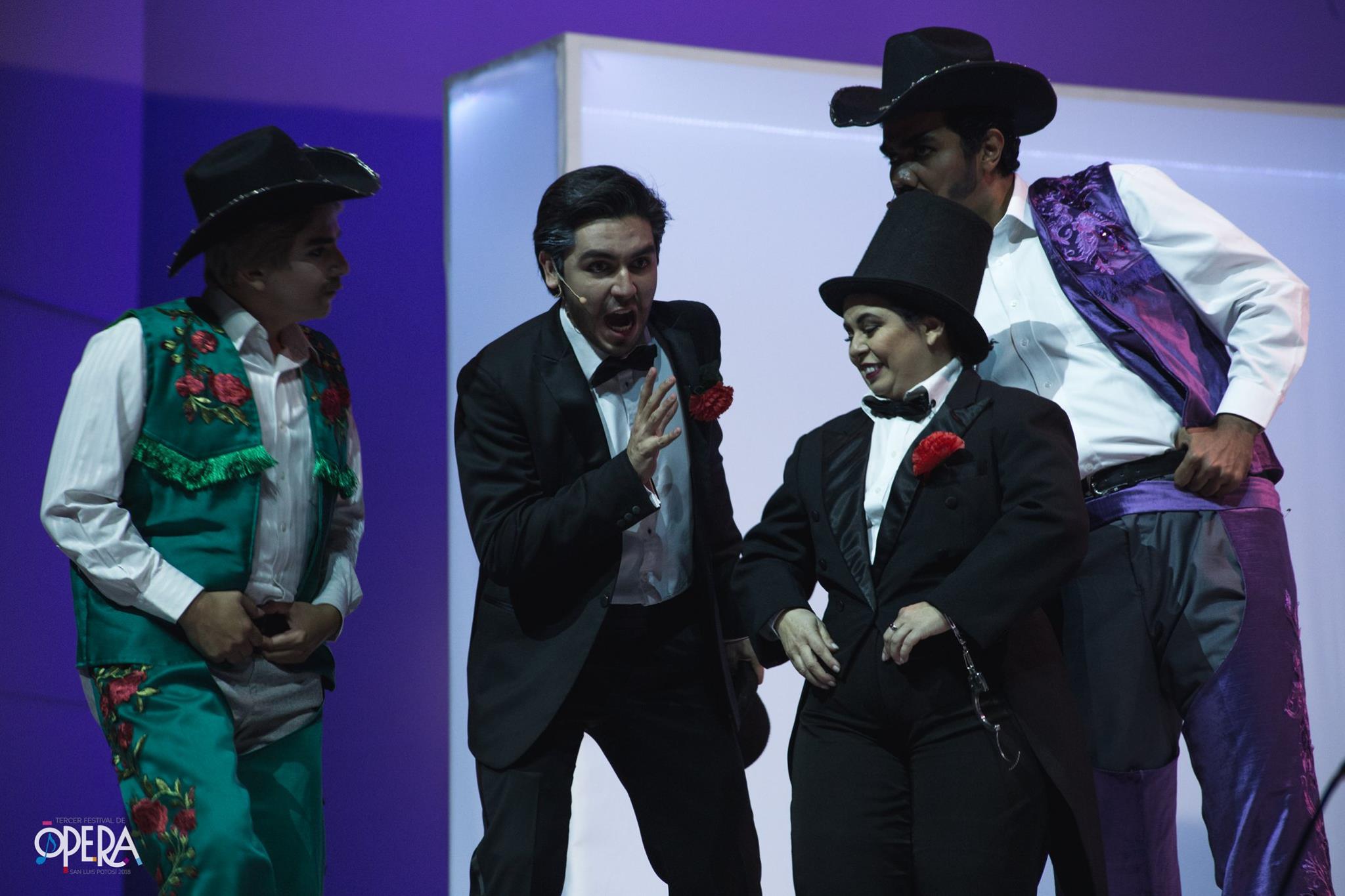
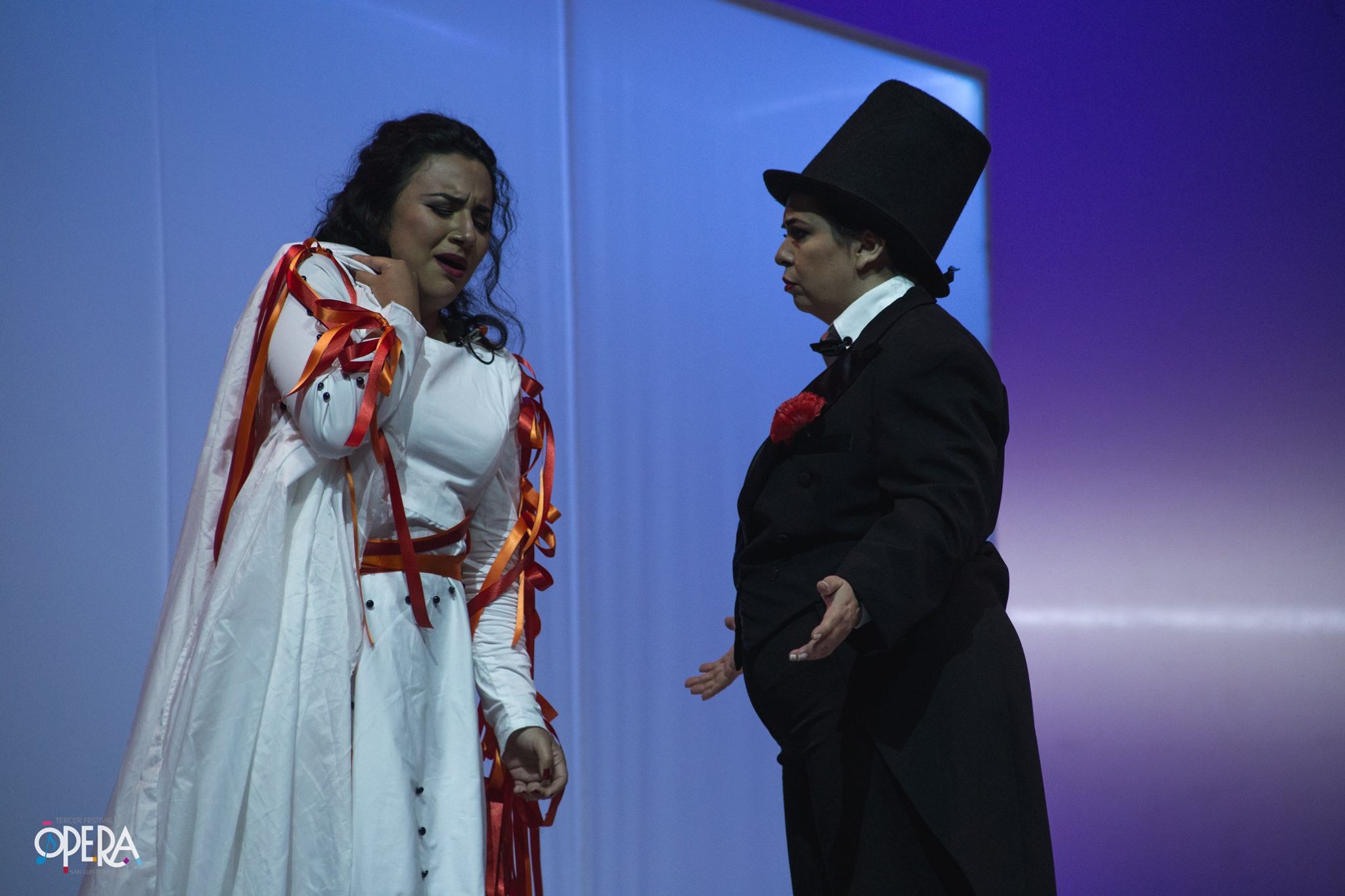
Costumes clarified relationships and psychological shifts: Despina and Alfonso as ceremony-masters; the sisters’ dresses gradually falling apart; the men evolving from stiff office workers to exaggerated “Electric Cowboys,” exposing insecurity beneath bravado. Six monochrome extras—living chess pieces—embodied subconscious impulses and continually reconfigured the space. A gorilla figure introduced the primitive drives beneath social behaviour.
This production was also where I defined a core element of my own directorial language: the integration of spoken or projected questions as part of the scenography, directly engaging the audience’s moral and emotional responses. In Così, these questions—on fidelity, desire, manipulation, and social convention—became an active dramaturgical layer.
Even under scarcity, the production achieved a cohesive and resonant theatrical experience: visually economical, conceptually precise, and designed to offer a contemporary, emotionally direct, and reflective entry point for an audience encountering opera—often for the first time.
